This Soviet Union collapse documentary asks what remains of the hopes that followed the end of a superpower. Its subject reaches beyond a date on a calendar, because the breakup reshaped life across former Soviet republics. The film sets hope beside loss, offering a human way into a turning point in modern history.
On December 25, 1991, the Soviet Union collapsed, raising hopes that the Cold War would end and former republics could claim independence and freedom. At the same time, many people faced poverty and war. Through contemporary witnesses and politicians from those decisive years, the documentary considers what became of the era’s dreams.
The road to December 1991
The collapse marked the end of a world power and brought the Cold War era to a close. Yet the date alone cannot explain what the change meant to people across the former republics. The film connects this political turning point with the hopes and hardships that followed.
For many, independence promised a chance to shape a different future. But the breakup also brought poverty and war, leaving people with sharply different experiences of the new era. By setting these outcomes beside the hope for freedom, the documentary shows why 1991 carries more than one meaning.
What this documentary explains
- Why December 25, 1991, marked the Soviet Union’s collapse.
- How the breakup raised hopes for independence and freedom.
- Why poverty and war shaped life for many people afterward.
- How the film connects the collapse’s legacy with Russian foreign policy under Putin.
What this Soviet Union collapse documentary examines
The film draws on contemporary witnesses and politicians who experienced the decisive years. Their perspectives bring personal memory and political choices into the same account. As a result, viewers can consider the collapse through the people who lived through its changes, rather than through dates alone.
Russian President Vladimir Putin described the Soviet Union’s collapse as “the greatest geopolitical catastrophe of the 20th century.” The documentary also traces the path Russian foreign policy has followed under Putin. Together, these themes connect the breakup’s legacy with later debates about Russia’s place in the world.
From hope to hardship
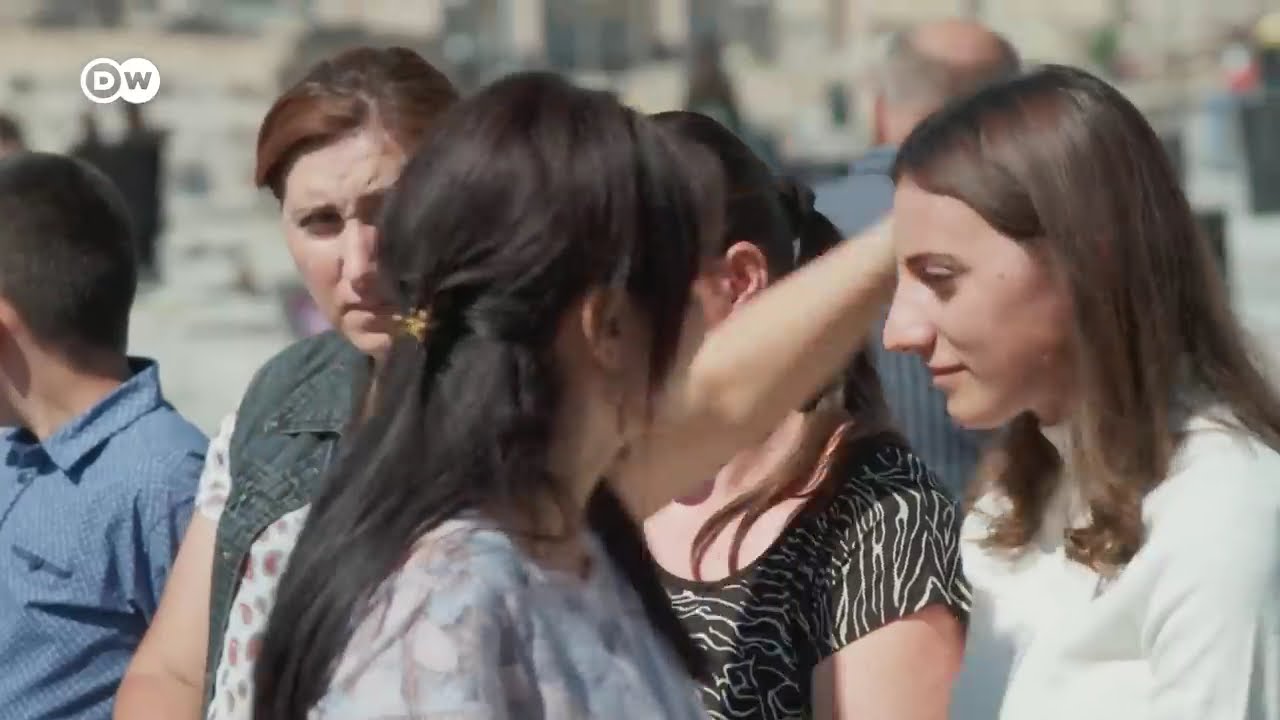
The film keeps the contrast between freedom and hardship in view. Independence offered hope to former Soviet republics, yet poverty and war shaped life for many people after the breakup. That contrast helps explain why the end of the Soviet Union still carries such different meanings.
Rather than treating the collapse as a clean ending, the documentary asks what remains of the dreams people held at the time. That question gives the history a personal scale. It also invites viewers to think about how political change can bring promise and pain together.
Why this Soviet Union collapse documentary still matters
For viewers new to the subject, this Soviet Union collapse documentary offers a clear route into a major moment in European and world history. Those who already know the broad outline may value its focus on witnesses, politicians, and the legacy of the breakup. Either way, the film links a pivotal event with questions that continued to shape Russian foreign policy.
DW Documentary released the film in 2021, and it runs for 53 minutes and 24 seconds. Vladimir Putin ordered the invasion of Ukraine in February 2022, after the documentary’s original release. You can watch the documentary free here on Topic Tainment.
Still curious? Watch Putin’s Way or The Entire History Of The Champions League next, or find more history documentaries in our library.
The Soviet Union’s end brought both the promise of freedom and the weight of hardship.
Key takeaway from the documentary