







What science documentaries reveal about minds and human origins
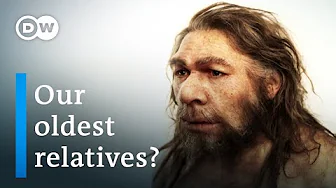
These films connect questions about the human brain and human evolution to evidence researchers can study. In Clive Wearing’s life with profound amnesia, daily routines and relationships make memory loss tangible. Meanwhile, Neanderthal life across Ice Age Eurasia and the rise of Homo sapiens from survival to art and farming trace ways people adapted.
Medical research and public health add another perspective. The cannabis film reviews treatment claims, research, history, and expert views. Meanwhile, the coronavirus report follows Wuhan’s lockdown and questions about China’s response. These stories matter because science affects personal choices and public decisions, not only laboratory work. For unanswered questions, UFO reports invite scrutiny rather than certainty.
What you can explore in science documentaries
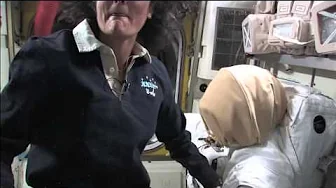
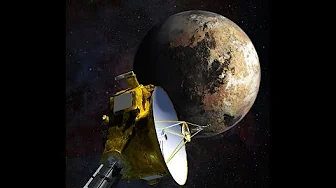
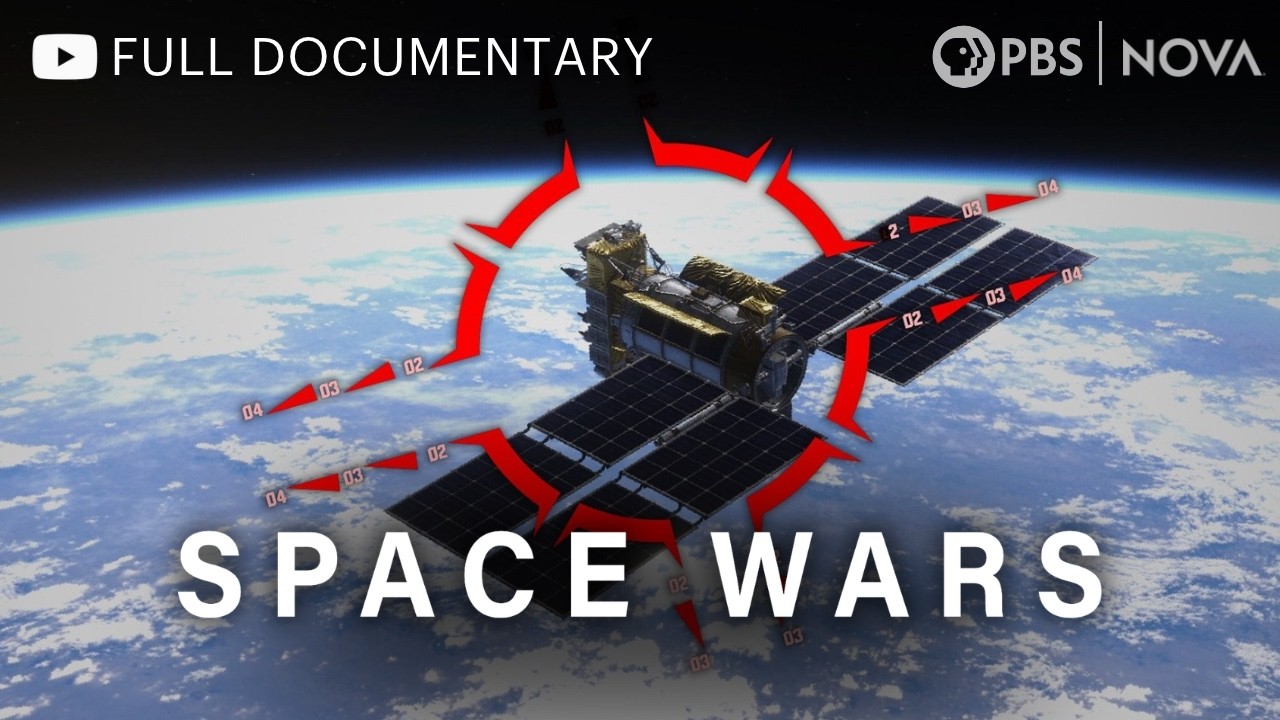
- Space documentariesCompare NASA missions in New Horizons and the International Space Station tour, from Pluto’s frontier to life in orbit.
- UFO and alien questionsWhat Happens If We’re Contacted By Aliens? considers possible first contact while keeping uncertainty in view.
- The human brainThe Man With The Seven Second Memory follows Clive Wearing’s amnesia and its effects on daily life and connection.
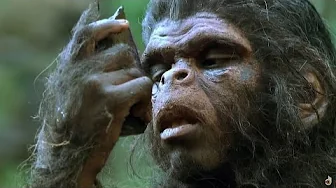
- Human evolutionWho were the Neanderthals? and Homo Sapiens: The Dazzling Rise Of Our Species explore human survival and origins.
- Scientific discoveriesSomething Strange Happens When You Follow Einstein’s Math connects equations with black holes, white holes, and wormholes.
Choose science documentaries by your time and interests
If you have less than 40 minutes, start with Einstein’s equations and the physics of black holes, white holes, and wormholes, which runs 37 minutes. For a shorter change of pace, a tour of the International Space Station takes 25 minutes. It shows the modules, research facilities, and life in orbit.
With more time, choose the New Horizons mission toward Pluto and the Kuiper Belt, a 58-minute account of space exploration. Or consider a 51-minute film about what might happen if humans were contacted by aliens. It explores possibilities and uncertainties, not proof of contact. So, if you want space documentaries with different angles, compare mission science with questions about first contact.
Explore the links between science, history, and technology
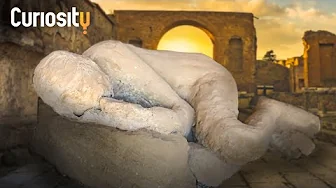
Science documentaries also connect naturally with other subjects. For archaeology and ancient civilizations, explore history documentaries about the past, including Pompeii’s excavations, artifacts, and DNA research. If engineering and inventions interest you, technology documentaries about engineering offer a related path. Meanwhile, biography documentaries about notable lives can add the human stories behind ideas and discoveries. You can also browse the space collection for more films about the cosmos.