This Sri Lanka train journey documentary follows the Main Line from Colombo toward Ella, using a rail trip to explore the island’s past and present. The route climbs through tea country and jungle, passing Buddhist temples and reminders of British rule. Along the way, the film turns to work, worship and everyday travel.
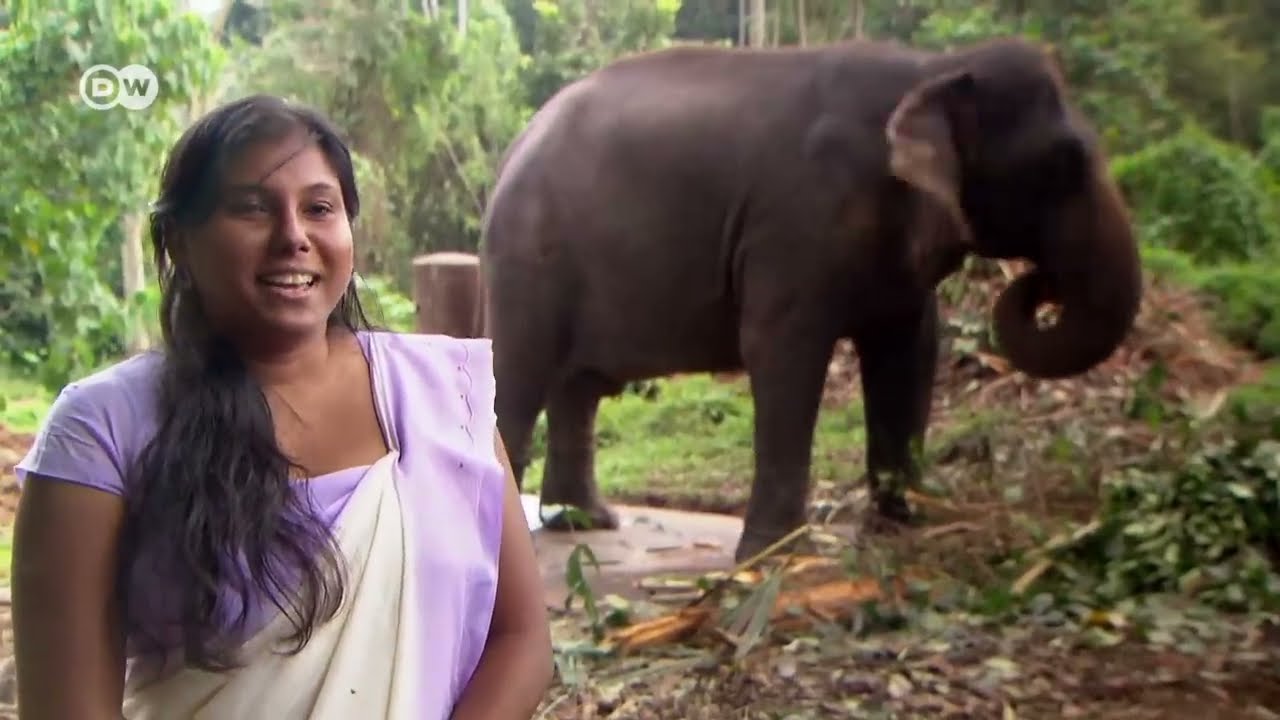
The 42:26 DW Documentary begins in the capital and travels into the highlands. First, it visits an elephant orphanage; then it follows the railway through Kandy and on toward Ella. The journey gives viewers a close look at the people, places and history connected by this line.
How the Sri Lanka train journey documentary begins
In the 19th century, British rulers built the railway in Ceylon. Their aim was to carry tea and other goods from the highlands to Colombo’s port. Today, locals and tourists are the line’s main passengers, giving it a different role.
The film follows what is known as the Main Line, a route often considered among Asia’s most picturesque. Meanwhile, its colonial-era stations recall the railway’s earlier purpose. The journey connects those traces of history with the present-day life of the route.
What this documentary explains
- Why British rulers built the Main Line in Ceylon.
- How the route connects Colombo, Kandy, Nuwara Eliya and Ella.
- What tea work and production look like in the highlands.
- How colonial railway details remain part of the journey.
From Ceylon’s tea line to Kandy
After leaving Colombo, the train travels toward Kandy, once the capital of the Singhalese kingdom. There, the documentary visits the Temple of the Tooth, which is said to house the Buddha’s top left canine. The stop introduces a religious landmark within a journey shaped by many different histories.
Further into the highlands, tea pickers work on the plantations, and a tea factory offers a look at how the leaves get their aroma. Then the route reaches Nuwara Eliya, Sri Lanka’s highest town, at almost 1,900 metres. A racecourse there still recalls the colonial era.
Why this Sri Lanka train journey documentary stays with you
The railway makes the island’s history part of an ordinary journey. British planners built it to move goods, especially tea, but now locals and tourists travel the Main Line. In that way, Rail transport in Sri Lanka becomes a story about changing needs as well as scenery.
The film also notes the practical details behind the trip. In 1901, railway stations received a signaling system intended to make long journeys safer. Meanwhile, the climb into the highlands brings changing surroundings and the effects of altitude into view.
Who will enjoy this railway film
This film should appeal to viewers who enjoy train journeys, travel history and the daily life of places along a route. It moves between landmarks and work, from Kandy’s temple to tea production in the highlands. Finally, the journey ends in Ella, where a spa offers a place to catch one’s breath after the climb.
At 42:26, the DW Documentary is a manageable watch for an evening or a quiet afternoon. It suits anyone curious about Sri Lanka beyond a single destination, since the railway links several distinct stops. You can watch it free here on Topic Tainment.
Still curious? Watch Traveling Iran by train or Ocean Stories next, or find more history documentaries in our library.
A railway built to carry tea now connects visitors and locals with Sri Lanka’s history and everyday life.
Key takeaway from the documentary