Ray Dalio’s How the Economic Machine Works makes economic forces easier to follow. This animated documentary offers a practical guide to how an economy moves.
In about half an hour, the film lays out ideas such as credit, deficits and interest rates. It connects them to economic cycles and policy choices. As a result, viewers get a framework for thinking about the economy, rather than a list of disconnected terms.
The model in How the Economic Machine Works
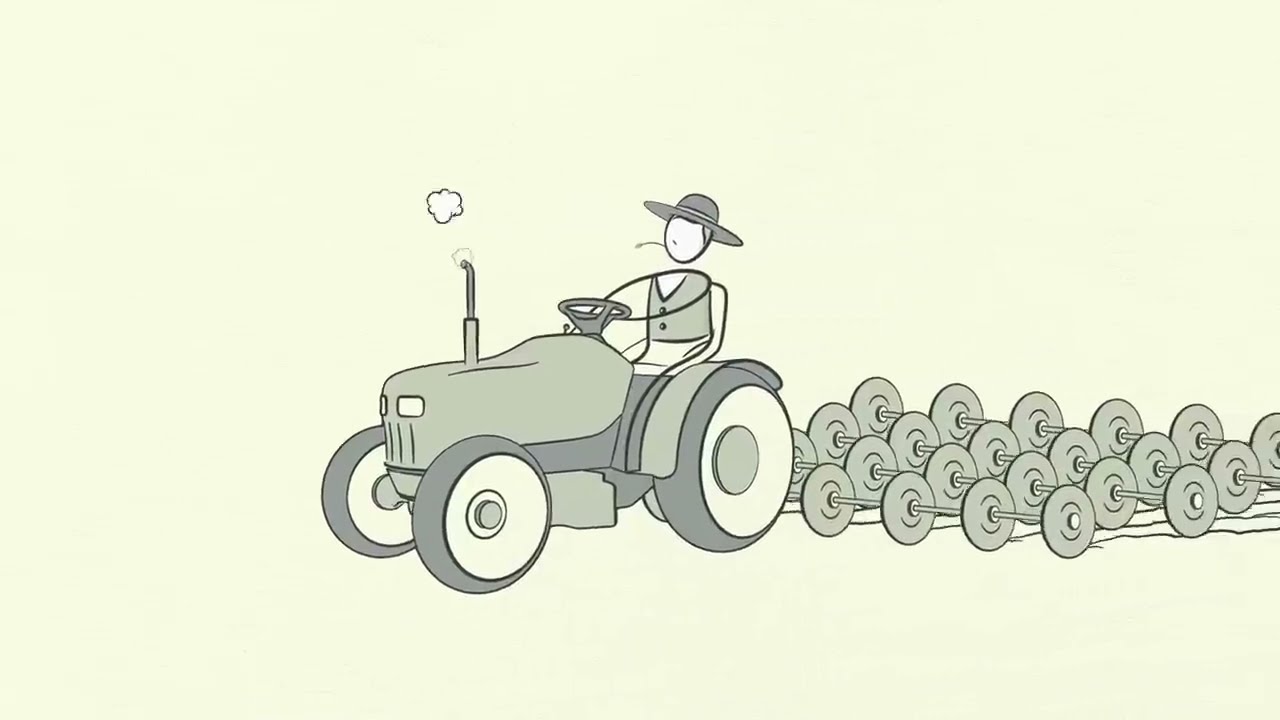
Dalio presents the economy as a system shaped by everyday activity. Spending, borrowing and lending all play a part. The film uses those relationships to explain why economic conditions can change over time.
Credit is one of the central ideas. When people or businesses borrow, they can spend money they do not currently have. That spending matters because it also becomes income for someone else. The film makes this link part of its basic model.
From there, the documentary introduces deficits and interest rates. These terms can feel abstract on their own, but Dalio connects them to decisions about spending and credit. In turn, those decisions help explain how economic cycles develop.
What this documentary explains
- How credit relates to spending and income.
- Why deficits and interest rates matter.
- How economic cycles develop.
- How economic policy relates to the model.
Why Ray Dalio’s How the Economic Machine Works matters
Ray Dalio developed the approach over the course of his career, according to the film’s description. Here, he uses it to make complex economic ideas easier to grasp. The emphasis is on relationships between forces, not on memorising a set of definitions.
That focus gives the film a useful starting point for thinking about booms and downturns. Economic cycles affect households, companies and governments, even when their causes are not immediately clear. So a simple model can help viewers ask better questions about what is happening.
The documentary also links economic policy to those cycles. It introduces policies as choices that can affect the forces in the model. Rather than promising a forecast, the film offers a way to think through how those forces interact.
A clear introduction to economic cycles
The film’s plain-language approach suits viewers who want an overview before tackling denser material. It takes on big subjects, but keeps its purpose practical: explain the basic drivers behind the economy. That makes the ideas easier to carry into later reading or discussion.
For newcomers, the connections between credit, spending and economic cycles are a helpful place to begin. Meanwhile, viewers familiar with finance may appreciate seeing those ideas arranged in one framework. The film invites both groups to look at the economy as a system of linked decisions.
Its model is best treated as a guide, not a complete account of every economic event. Still, that kind of overview can make unfamiliar terms feel less daunting. It gives viewers a shared set of concepts for discussing why economies rise and fall.
Who should watch and how
This documentary should suit anyone curious about banking, finance or the causes of financial crises. It also works for viewers who want a concise introduction before exploring economics in more depth. The animation and straightforward explanations keep the subject approachable.
The film runs for 31 minutes and comes from Principles by Ray Dalio. It is free to watch here on Topic Tainment. So you can set aside one short evening and come away with a clearer sense of how credit, spending and policy fit together.
In How the Economic Machine Works, Dalio offers viewers a compact way into a subject that can otherwise feel overwhelming. The film does not require specialist knowledge to follow its main ideas. Instead, it gives you a simple framework to consider as you watch economic news unfold.
Want more like this? Try Gambled away in the financial crisis – The Deutsche Bank story or The System of Money, or browse all our finance documentaries.
Understanding the links between spending and credit can make economic cycles easier to think about.
Key takeaway from the documentary