
What wildlife documentaries reveal about animal survival
First, these wildlife documentaries move across habitats, from the Amazon rainforest and polar ice to ocean straits and mountain nests. They also show predators, animal survival, migration, and defense through specific species and settings. For a broader view, browse Nature & Wildlife documentaries, where these films sit alongside other nature stories.
Some stories focus on the open ocean, while others follow animals on land or in the air. For example, the marine films feature whales, dolphins, seals, and seabirds. You can also explore the related ocean-life collection for more documentaries about marine habitats and wildlife.
What you can discover in these wildlife documentaries
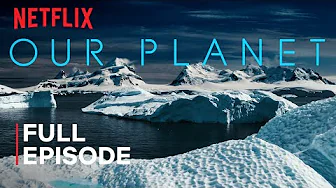
- Polar habitatsOur Planet | Frozen Worlds shows polar bears, walruses, seals, and penguins facing a changing icy environment.
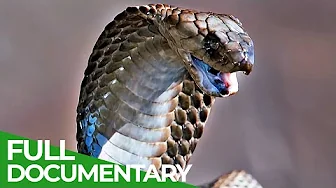
- Animal defensesSpits & Stings | Animal Armory explores how cobras, bees, and jellyfish use their defenses.
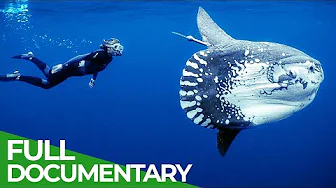
- Ocean wildlifeOcean Stories follows sperm whales, monk seals, sunfish, manatees, and dolphins through marine habitats.
Choose a wildlife documentary by setting and length
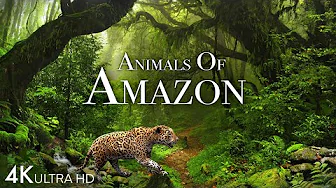
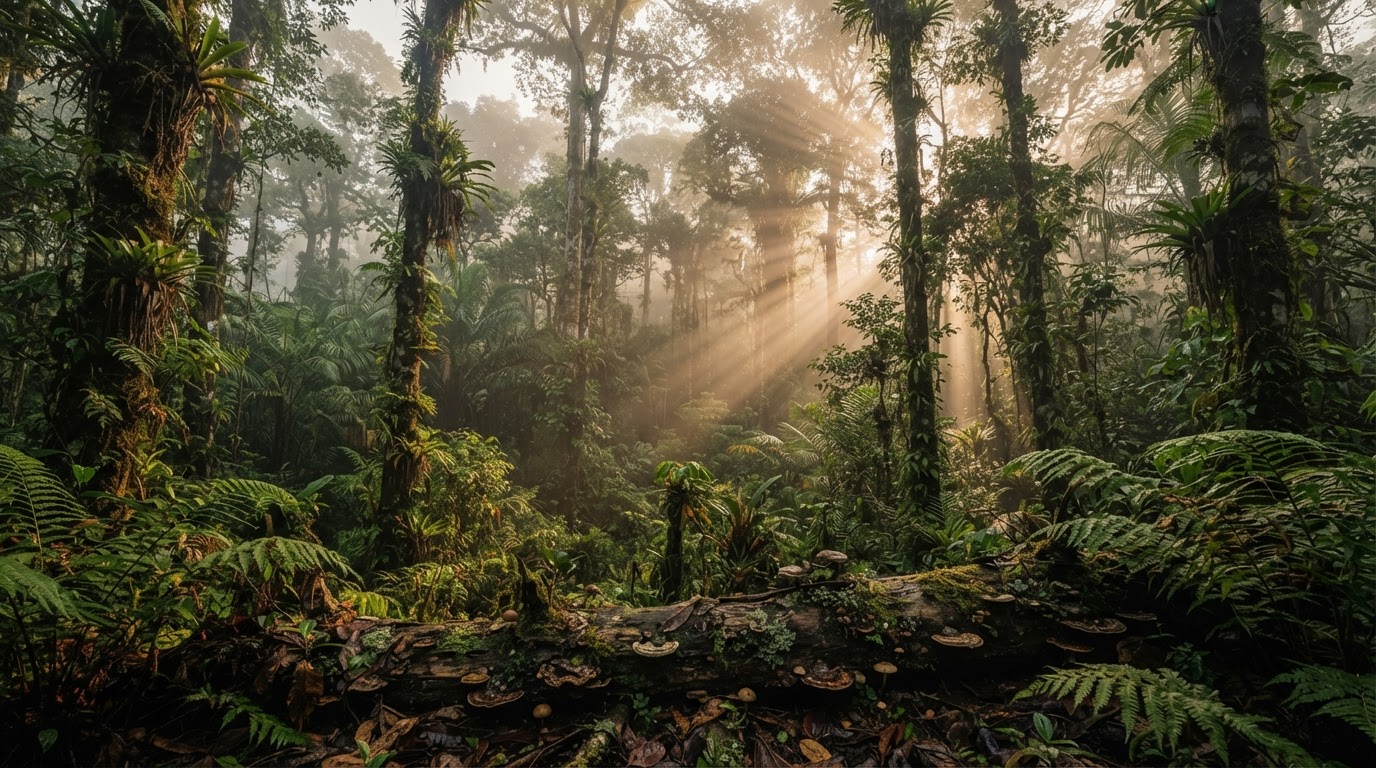
To compare settings, start with the 53-minute Frozen Worlds wildlife documentary for polar animals, then switch to the 28-minute Amazon rainforest animals film for jungle and river life. So, both offer a clear way to choose by habitat and available time.
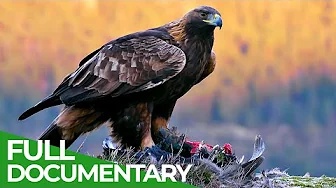
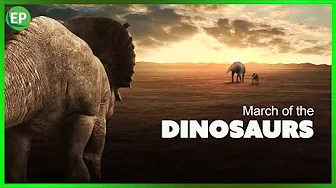
For longer viewing, the 87-minute March of the Dinosaurs survival story follows a young Edmontosaurus and its herd. Or, spend 50 minutes with golden eagles in the High Tatra Mountains. Each film gives you a different angle on animal life.