


Nature Documentaries Show How Wildlife and Habitats Change
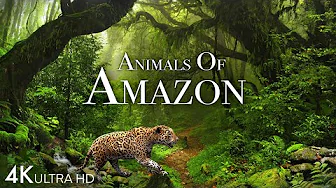
Wildlife documentaries connect animal behavior to the places and pressures that shape it. Here, wildlife ranges from Amazon rainforest residents to polar species, while ocean documentaries follow life across marine habitats. Because these films show feeding, movement, defense and survival, they make ecosystems easier to understand without reducing them to scenery.
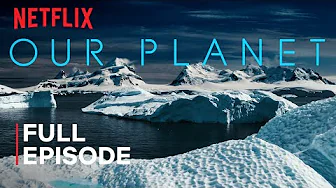
Some films widen the frame to planet earth and its changing climate. Our Planet’s frozen habitats follows polar bears, walruses, seals and penguins as climate change puts ice at risk. Meanwhile, Kiribati’s response to rising seas covers threatened villages, mangrove planting and a possible future in Fiji. Browse wildlife films for more animal stories.
What You Can Discover in Nature Documentaries
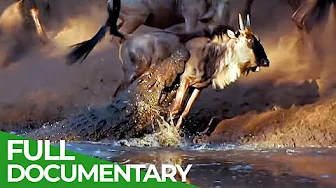
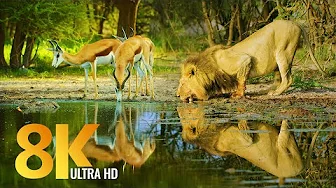
- Wildlife survivalSee pursuit, escape and animal defenses in Amazing Nature – Run to Survive and Spits & Stings | Animal Armory.
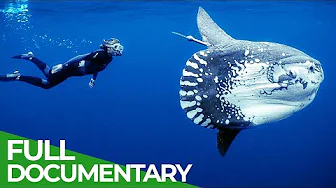
- Ocean lifeOcean Stories follows whales, seals, sunfish, manatees and dolphins, while Skagerrak explores a North Sea marine habitat.
- Climate changeOur Planet | Frozen Worlds shows polar animals facing habitat risks, and Kiribati follows a community confronting rising seas.
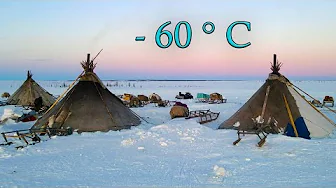
- Extreme livingNorth Nomads life in winter explores routines in the Ural Mountains and tundra, while Deep Sea Fishing follows demanding months at sea.
- Animal documentariesA Day at Mysuru Zoo offers a look at the zoological gardens, while Wildlife Laws follows young animals, migration and a river crossing.
Choose a Wildlife Film by Runtime and Interest
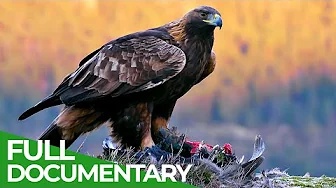
For a shorter watch, start with Amazon wildlife in 28 minutes, which features jaguars, monkeys, birds and river wildlife. If you want a focused animal portrait, two golden eagle chicks in the High Tatra Mountains gives you a 50-minute story of growth and hunting. Both suit a single-sitting choice without a long runtime.
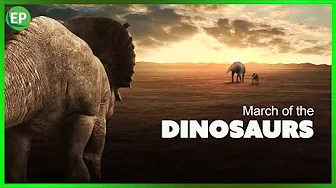
When you have more time, Ocean Stories’ marine-life lineup runs 2:27:48 and includes sperm whales, monk seals, sunfish, manatees and dolphins. For a different kind of survival story, a young Edmontosaurus and its herd travel south for winter in an animated Cretaceous film lasting 1:27:01. The ocean-life collection is another useful starting point.
Connect Animal Stories to Climate, Science and Society
Nature documentaries link natural history with environment and climate. For climate and Earth systems, continue with science and space documentaries. To compare environmental pressures with daily human adaptation, explore society and extreme-life documentaries. You can also follow questions about innovation and the future through technology documentaries. These connections help you move from animal behavior to the decisions, tools and living conditions that affect habitats.