This Skagerrak marine wildlife documentary follows life through a strait shaped by powerful currents, shifting water and rich feeding grounds. The film moves from the open sea to coastal dunes, small islands and freshwater rivers. Along the way, it brings together animals that rarely share the same documentary story.
The Skagerrak links the North Sea with the Baltic, and its waters reach depths of more than 700 metres. However, the film’s view extends beyond the sea itself. It also explores the nearby coast and river country, where seabirds, seals, salmon and larger wildlife live.
What this Skagerrak marine wildlife documentary follows
Strong currents make the Skagerrak challenging waters, but they also carry food through the strait. As a result, large swarms of fish find nourishment in this busy marine environment. The documentary uses that link between water movement and wildlife to explain why the region supports so much life.
Seagrass meadows provide another striking feature of the underwater world. The film compares them with meadows off the Californian coast, giving viewers a sense of their scale. Together, currents, fish and seagrass help define the Skagerrak marine wildlife documentary’s central setting.
What this documentary explains
- How currents carry food through the Skagerrak.
- Which fish, seals and other marine animals live in the region.
- Why the coast attracts so many seabirds.
- How rivers connect the sea with nearby wildlife.
Birds and seals along the coast
The coastal regions bring a different kind of richness, from long Danish dunes to rocky islands along the Scandinavian shores. The film describes this stretch as one of Europe’s great bird paradises. Oystercatchers, Sandwich terns and Arctic terns all feature in its account of the coast.
Meanwhile, small, isolated islands shelter large seal colonies. Harbour seals and grey seals also hunt in the wider waters, linking the shoreline to the open sea. The documentary’s coastal passages show how varied habitats can sit close together.
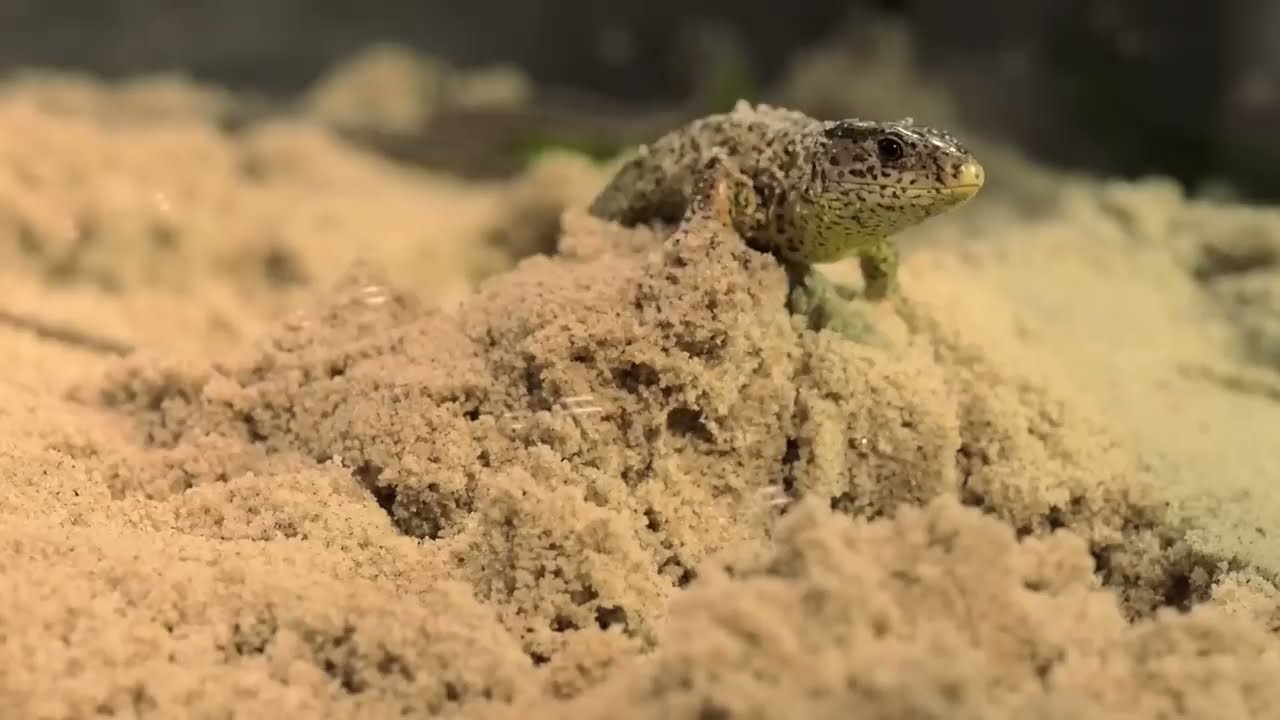
Why this Skagerrak marine wildlife documentary stays with you
The film also turns to less familiar marine life, including the rare blackmouth catshark and porpoises. Lion’s mane jellyfish drift through the open sea, trailing stinging tentacles that can reach 30 metres. These details give the Skagerrak marine wildlife documentary a sense of scale and surprise.
One unusual sequence shows spectacular catfish mating, filmed in this way for the first time. That moment adds a close look at animal behaviour to the film’s wider portrait of the sea. It also reminds viewers that familiar waters still hold plenty to discover.
From river journeys to a free evening watch
The story follows salmon into a beautiful river landscape fed by streams and rivers that flow toward the Skagerrak. Ospreys and sea eagles appear in this freshwater setting. Later, the film brings viewers face to face with a brown bear mother and her cubs.
That shift from marine waters to rivers and nearby wild country gives the documentary a broader sense of place. It suits viewers who enjoy wildlife films that move between habitats and species. Free Documentary – Nature released the 52-minute, 51-second film on August 21, 2020, and you can watch it free here.
If this one stayed with you, Ocean Stories and A Man Among Orcas | Orca, Indian ocean are good next picks. You can also explore more nature documentaries.
Powerful currents feed a remarkable chain of life, from the open sea to the riverbanks.
Key takeaway from the documentary