



What extreme living documentaries reveal
These films cover distinct risks: gang violence and addiction in Khayelitsha, prison overcrowding in the Philippines, and routines in remote places. They fit Society & Extreme Lives, where personal experience matters. For a social angle, browse the social issues collection, too.
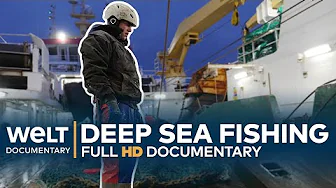
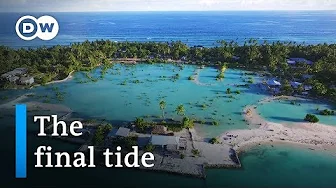
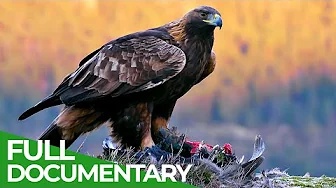
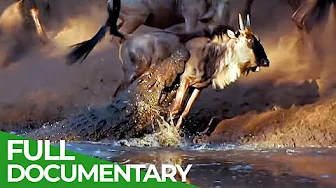
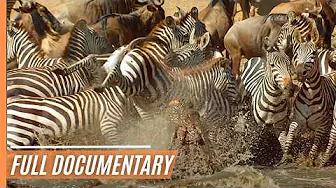
Extreme living also extends beyond human hardship. Wildlife stories track speed, defense, and survival, while a Kiribati film follows threatened villages and mangrove planting. However, dangerous jobs are a narrower angle here. One deep-sea fishing story shows months at sea, not a wide survey of hazardous work or surviving harsh conditions.
Choose a story by setting and stakes
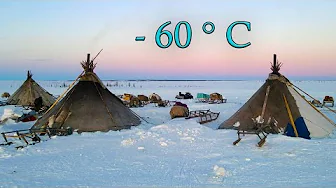
- Remote winter routinesNorth Nomads life in winter follows northern routines in Russia’s Ural Mountains and tundra, with a 56:57 runtime.
- Work at seaDEEP SEA FISHING covers months at sea and the hunt for black halibut in a 1:38:15 film.
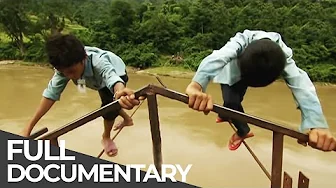
- School route risksThe Nepal school-route documentary follows children from Kumpur across mountain paths and a dangerous river.
Choose a documentary by setting and runtime
For community and confinement, the Khayelitsha ghost-town documentary runs 42:45. Meanwhile, a report on South Cotabato Jail lasts 47:51 and covers overcrowding and inmate hierarchies. Both suit a focused watch. For a different pace, the Ural nomads winter film runs 56:57, following routines across mountains and tundra.
If you want work at sea, the deep-sea fishing documentary lasts 1:38:15. It follows months at sea and the hunt for black halibut. The Nepal school-route story runs 48:16, following children across mountain paths and a dangerous river. In short, choose a setting first, then check the runtime.