
















What social issues documentaries show about society
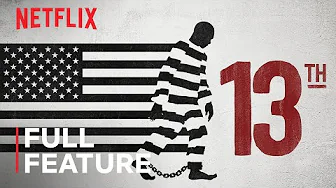
For example, these social issues documentaries connect personal testimony with larger systems. In 13TH, Ava DuVernay’s film explores race, U.S. history, and imprisonment; Red Cry gives Lakota Elders and Grandmothers a platform to speak. Together, they open distinct paths into justice, Indigenous history, and whose experiences receive attention.
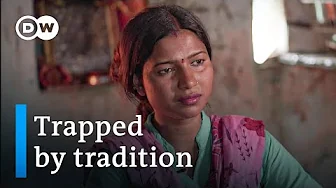
Also, India’s prostitution villages follows women facing inherited sex work and poverty, while Seattle Is Dying examines drugs, homelessness, and possible responses. For readers looking for poverty documentaries, this collection shows how inequality appears in different settings. These documentaries about society offer varied perspectives on people and social pressures; for more, visit Society & Extreme Lives.
What you can discover in these social issues documentaries
- Justice and historyFor example, 13TH connects race, U.S. history, and imprisonment through Ava DuVernay’s account of mass incarceration in America.
- Public hardshipNo-Go Zones follows life in Khayelitsha, where gang violence and addiction shape residents’ daily risks.
- Extreme livingAlso, explore our extreme-living collection alongside No-Go Zones, a report on Khayelitsha and daily danger.
How to choose a film by subject and runtime
First, for a city-focused hour, choose Seattle is Dying, which examines drugs, homelessness, and possible responses; it runs 1:00:36. By contrast, Brides for sale – Bulgaria’s Roma marriage market lasts 26:10. Its account of Teni and Maria offers a shorter, specific look at a marriage market.
Then match the subject to your attention span: No-Go Zones runs 42:45 and follows danger in Khayelitsha, while 13TH runs 1:40:02 and centers race, U.S. history, and imprisonment. In short, choose a place-based report for immediate context, or a longer film for historical framing.