This artificial intelligence dangers documentary begins with a familiar civic ritual: polling, and the promise of knowing what voters think. Then it turns to Polly, an AI program built by Canadian startup Advanced Symbolics (ASI). The film asks what changes when social-media traces become evidence about political opinion.
Directed by Peter Gombos, the 2020 film also carries the title Margin of Error: AI, Polling and Elections. With Canada’s 2019 federal election as its real-time backdrop, it tests Polly’s forecasts against a campaign unfolding. At the same time, it weighs prediction against privacy, public trust, and the health of democracy.
How this artificial intelligence dangers documentary tests polling
Traditional polls have spent a century trying to measure public opinion, but this film introduces a different method. ASI’s Polly scans public social-media activity and builds profiles of demographic groups, then estimates their preferences. Rather than asking people directly, the system looks for patterns in what they post online.
The documentary points to Polly’s reported forecasts of the 2016 Trump victory and the Brexit vote. Those examples set up its central test: can an algorithm read changing opinion during a live election campaign? Meanwhile, the 2019 Canadian federal election gives the film a current case to follow.
What this documentary explains
- How Polly uses public social-media activity to estimate voter preferences.
- Why online data can raise privacy concerns.
- How the film tests Polly during Canada’s 2019 federal election.
- What political predictions could mean for democratic debate.
People and data in this artificial intelligence dangers documentary
Advanced Symbolics presents Polly as a way to understand voters without collecting each person’s private details directly. Yet the film notes that online services already receive large amounts of personal data from their users. Many people accept terms of service without reading or understanding them, leaving room for data collection they may not expect.
That tension matters because public posts can still reveal group preferences, even when users do not hand over survey answers. However, the documentary does not treat a forecast as a complete explanation of anyone’s beliefs. It asks how a company turns scattered online signals into claims about a whole electorate.
When forecasts meet privacy and democracy
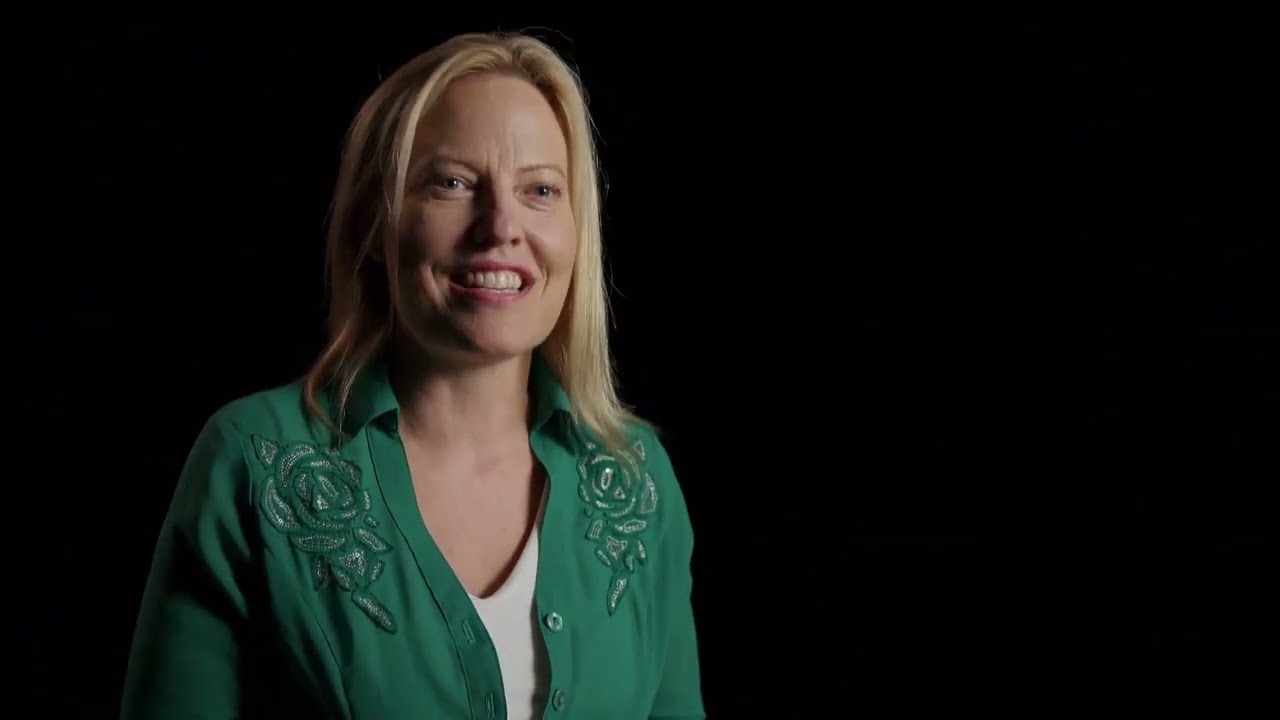
Prediction can help political leaders notice public concerns, as ASI chief executive Erin Kelly argues in the film. Still, knowing what people want creates risks when campaigners or governments use that insight to influence them. The film asks whether elected officials should respond to views people share on social media.
That question reaches beyond polling, because the same tools might inform public decisions or help mislead citizens. Likewise, people may share data for one purpose, only to see another party put it to use. For viewers, this artificial intelligence dangers documentary brings the debate back to civic power and personal data.
A focused watch for curious voters
The film suits viewers interested in elections, technology, and the growing role of Big Tech in public life. Still, it offers a clear case study rather than a broad tour of every artificial intelligence system. Instead, Polly’s approach keeps the discussion close to polling and voter behaviour.
Moconomy’s documentary runs 52 minutes and two seconds, giving its questions room without demanding a long series commitment. Because the film centers on a Canadian campaign, viewers also get a specific setting for its wider concerns. You can watch it free here on Topic Tainment, and leave with useful questions about data and political trust.
If this one stayed with you, Artificial Intelligence and Algorithms: Benefits, Risks and the Future and Artificial Intelligence and Algorithms: Pros and Cons (Documentary) are good next picks. You can also explore more finance documentaries.
A forecast can inform public debate, but the data behind it deserves scrutiny.
Key takeaway from the documentary