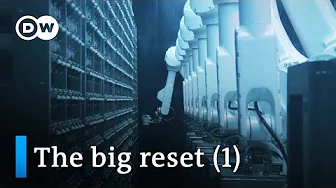
AI benefits and risks sit at the heart of this DW documentary about how algorithms are changing daily life. Artificial intelligence already shapes online recommendations and workplace tools. Its influence can reach us before we even notice.
The film considers what these systems can do, where they can go wrong and how they may affect society. For example, the film examines algorithms that can detect Parkinson’s disease as one example of how AI is developing. That example gives viewers a practical way into a much bigger discussion.
How AI benefits and risks shape the film
Artificial intelligence refers to computer systems designed to perform tasks linked with human intelligence. These tasks can include recognising patterns, understanding language, making predictions and solving problems. Many systems learn from examples, then use patterns in data to produce an output.
However, the quality of that output depends on the data, the system’s design and how people use it. An algorithm may simply follow fixed instructions, while an AI system can use methods that learn from data. Both technologies help power familiar digital services, but they do different things.
What this documentary explains
- How AI systems learn patterns from data.
- How algorithms influence familiar digital services.
- Where AI can support efficiency and accessibility.
- Why privacy, bias and accountability deserve attention.
Algorithms in everyday routines
Algorithms help run search engines, social media feeds, streaming recommendations and navigation apps. As a result, they can make services faster and more personal. They can also influence which information people see, making their role worth understanding.
The film’s subject reaches beyond convenience. AI can process large amounts of information quickly, so people and organisations may use it to spot patterns or work more efficiently. For example, speech recognition, translation and assistive tools can make information easier for more people to use.

Why AI benefits and risks matter
The AI benefits and risks become clearer when we look at the limits as well as the useful applications. Systems can make mistakes, and biased training data may repeat or amplify existing inequalities. Meanwhile, AI tools that use personal information raise questions about privacy, consent and security.
Generative AI can also create convincing text, images, audio and video that contain errors. That can make it harder to judge what is genuine. Workplace tasks may change too, while people can struggle to know who is responsible when an automated system affects an important decision.
Who should watch this documentary
This documentary suits viewers curious about technology and its effects on society. It gives newcomers useful starting points, from the meaning of artificial intelligence to the ways algorithms shape online experiences. Above all, it encourages a balanced view rather than treating every new tool as either a cure or a threat.
The documentary explores artificial intelligence, its everyday applications, and the effects these systems may have on people and society. You can watch it free here on Topic Tainment. The discussion is relevant to anyone who wants to understand how AI might influence work, information and everyday choices.
Still curious? Watch Artificial Intelligence and Algorithms: Pros and Cons (Documentary) or The Danger of AI next, or find more technology documentaries in our library.
AI can help people make sense of information, but its data and design still deserve scrutiny.
Key takeaway from the documentary